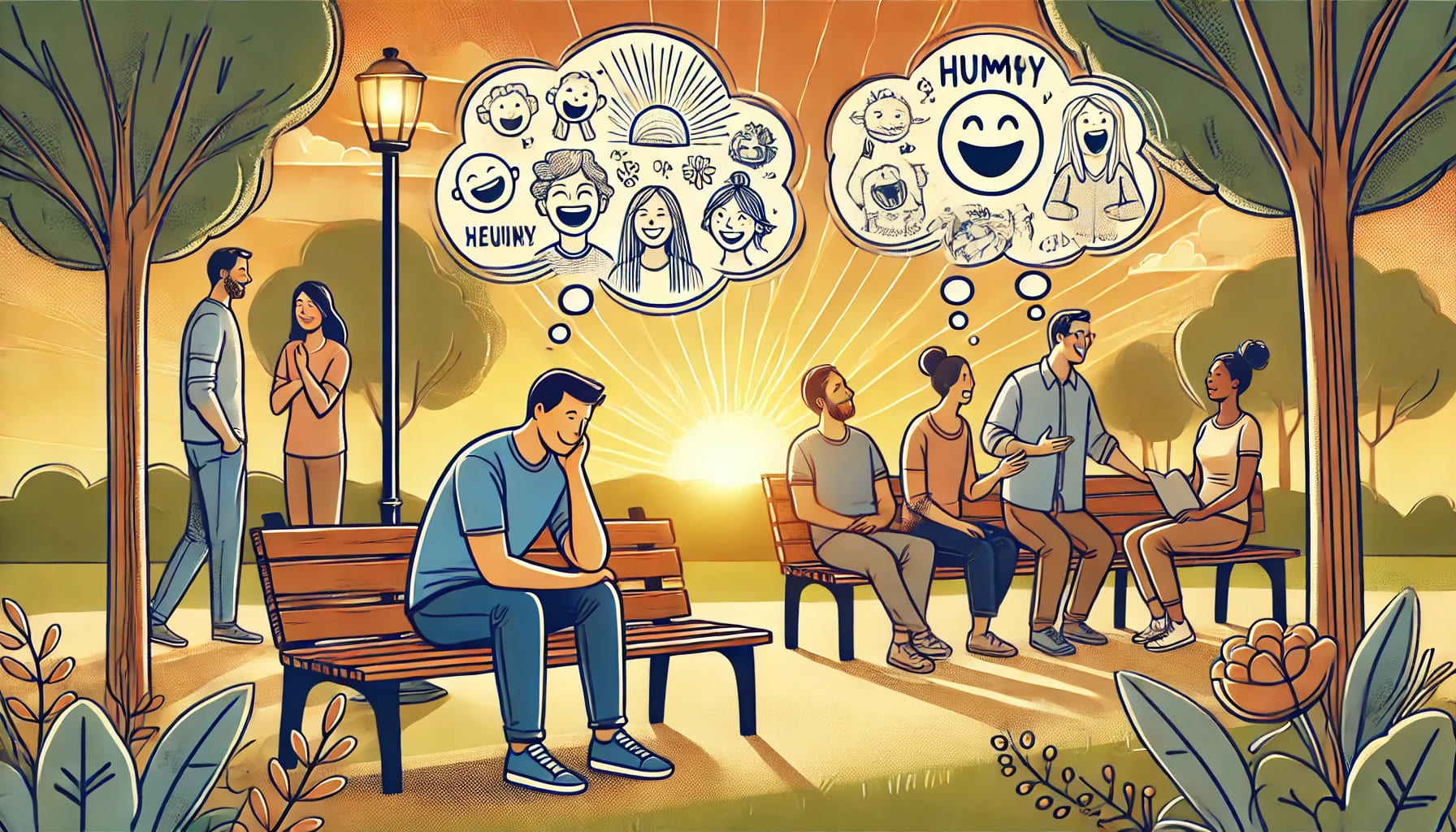
The Power of Humor as a Mature Defense Mechanism
Introduction
Life is full of challenges, and stress is an inevitable part of the human experience. How we respond to stress determines our emotional resilience and overall well-being. Renowned psychiatrist George Vaillant identified humor as a "mature" defense mechanism—an adaptive technique that helps us cope with stressful or tense situations in a constructive way. But what makes humor such a powerful tool for emotional well-being, and how does it function as a psychological defense mechanism? Let's explore its significance.
What Are Defense Mechanisms?
Defense mechanisms are unconscious psychological strategies that individuals use to manage anxiety, stress, or internal conflicts. Sigmund Freud originally introduced the concept, and later, George Vaillant expanded on it, categorizing defense mechanisms into four levels:
-
Pathological defenses (e.g., denial, distortion)
-
Immature defenses (e.g., projection, passive aggression)
-
Neurotic defenses (e.g., repression, intellectualization)
-
Mature defenses (e.g., humor, altruism, sublimation, suppression)
Among these, mature defenses are the healthiest and most adaptive, enabling individuals to handle stress in a socially acceptable and effective manner. Humor is one of the most powerful of these mechanisms.
Humor as a Coping Strategy
Humor allows individuals to acknowledge difficult emotions without being overwhelmed by them. Instead of suppressing or denying stress, people using humor find amusement in the situation, which helps reduce tension and provide perspective. It enables us to reframe problems in a way that makes them feel more manageable.
For example, someone facing a difficult work deadline might joke about how they’ve become "best friends with caffeine." This humorous outlook doesn’t deny the stress but makes it easier to handle, promoting emotional balance.
Psychological and Physiological Benefits of Humor
Humor offers numerous psychological and physiological benefits:
-
Reduces stress and anxiety by triggering the release of endorphins (the body's natural feel-good hormones).
-
Strengthens social bonds, as shared laughter fosters connection and mutual support.
-
Enhances problem-solving abilities by encouraging flexible thinking and creativity.
-
Boosts resilience, allowing individuals to face adversity with a positive mindset.
Studies have shown that people who use humor as a coping mechanism experience better emotional regulation and improved mental health (Martin, 2001).
Humor vs. Sarcasm: Understanding the Difference
While humor is a healthy defense mechanism, sarcasm or self-deprecating humor can sometimes be counterproductive. Healthy humor uplifts and connects people, whereas sarcasm can be passive-aggressive and create emotional distance. The key is to use humor in a way that enhances well-being rather than masking pain or avoiding deeper emotions.
Conclusion
George Vaillant’s work highlights humor as an essential tool for psychological resilience. By finding humor in difficult moments, we allow ourselves to process emotions without becoming overwhelmed. Whether through lighthearted jokes, witty observations, or shared laughter, humor remains one of the most effective ways to navigate life’s challenges.
So the next time you're feeling stressed, take a moment to find the humor in the situation. Not only will it make you feel better, but it might also help those around you cope more effectively.
References
-
Vaillant, G. E. (1992). Ego Mechanisms of Defense: A Guide for Clinicians and Researchers. American Psychiatric Press.
-
Martin, R. A. (2001). The Psychology of Humor: An Integrative Approach. Academic Press.
-
Freud, S. (1920). Beyond the Pleasure Principle. The Hogarth Press.
Credits: This blog is based on the research of George Vaillant, Sigmund Freud, and Rod Martin, whose works have significantly contributed to our understanding of humor as a psychological defense mechanism.
Back to BlogsComments
Great read! I loved how it explains humor as a healthy way to cope with stress—simple, relatable, and insightful.